
Services for Teens and Young Adults
Ages 11 - 25.

Occupational Therapy Assessment
An Occupational Therapy (OT) assessment is a supportive and collaborative process designed to understand what’s going well for your young person, what feels challenging, and why. It helps uncover the underlying factors that may be affecting daily life, learning, wellbeing, and independence:
Daily routines (what works, what doesn’t)
Energy patterns and burnout
Emotional regulation (what helps, what overwhelms)
Executive functioning (planning, organisation, motivation, problem solving)
Sensory experiences (how environments and sensory stimuli affects them)
Somatic awareness (their awareness, understanding and responses to their internal states and emotions).
Following the assessment, you’ll receive a clear explanation of what’s driving the current challenges and practical steps to support positive change. Reports and feedback are written in professional but accessible language - so you can understand and use the recommendations with confidence.
Assessment includes:
90-minute consultation in-person or online.
Standardised tests (where appropriate).
Occupational formulation outlining strengths, challenges and key areas of need.
Recommendations for home, school, work or community environments.
A detailed written report.
A follow-up call to review findings.
Reports tailored for Education, Health and Care Plans (EHCPs) can be provided, and I also work with Local Authorities for commissioned assessments. An observation within the educational setting is usually recommended. Please email to discuss EHCP-specific or commissioned services.
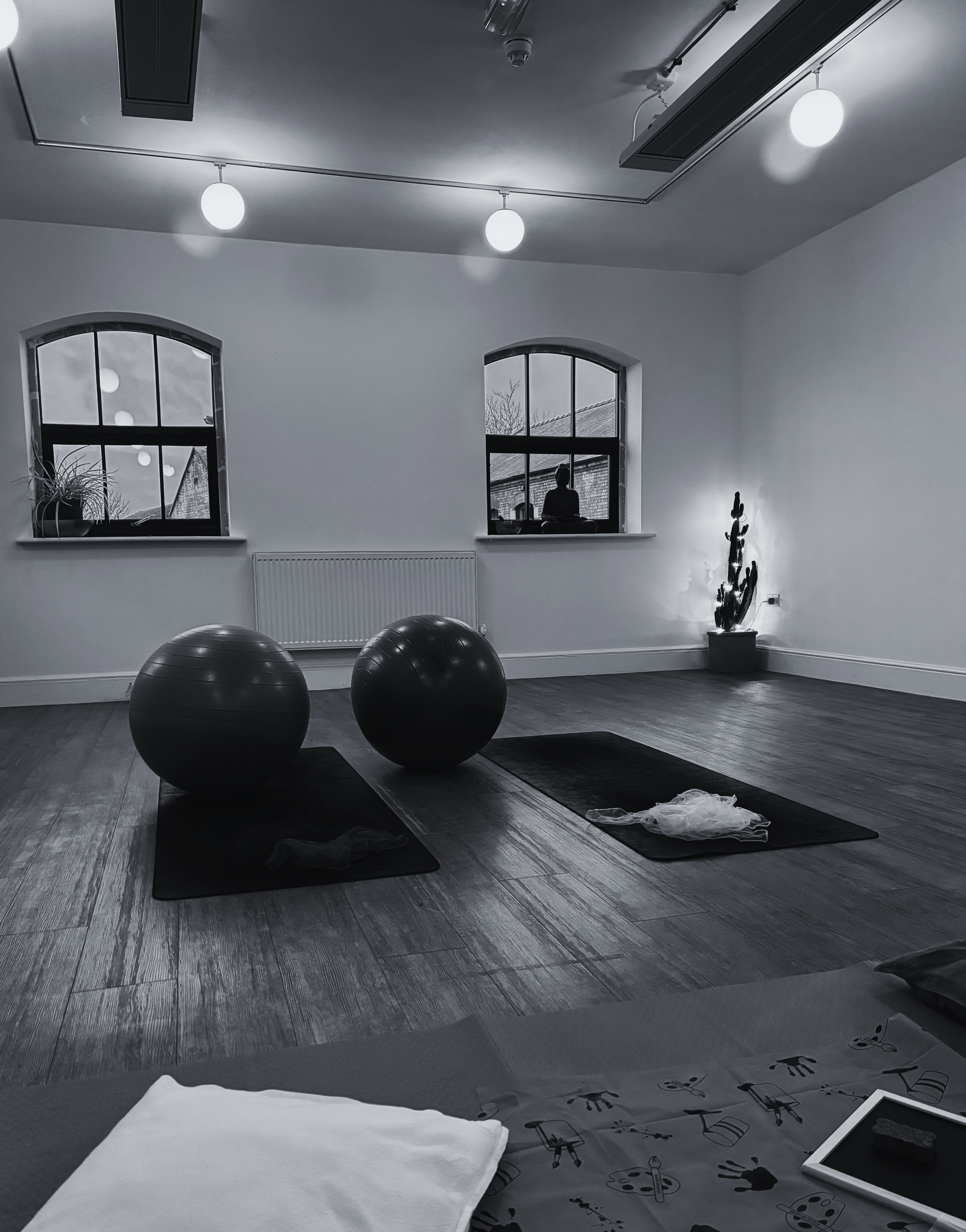
Intervention & Coaching
One-to-one occupational therapy or coaching sessions help young people build practical skills, emotional tools, and deeper self-understanding and self-compassion. These sessions turn insight into action - helping them manage challenges more effectively and move toward genuine independence.
Depending on needs, sessions may include:
Developing somatic awareness and body felt signals (interoception) - tuning into how your body communicates stress, energy, and emotions.
Understanding and managing sensory sensitivities or sensory under-responsivity.
Adapting environments to support comfort, focus, and calm.
Energy conservation approaches - learning to manage energy, stress levels and prevent burnout.
Establishing effective and realistic daily routines.
Experimenting with new habits and problem-solving strategies.
Gently building confidence in difficult activities, and when managing challenging situations.
Through this process, your young person will learn to recognise their needs, care for themselves intentionally, and develop practical strategies that last.
For OT Intervention commissioned by the Local Authority - please contact me for a quote.