
New York as a Highly Sensitive Person: Navigating Travel in The City That Never Sleeps
New York is extraordinary. It is fast, layered, noisy, crowded, visually dense, and demands attention. For many people, that intensity is energising. For highly sensitive people, it can be incredibly overwhelming. However, being highly sensitive does not always mean you need to eliminate stimulation, but it can mean that you need an approach which is more intentional and selective.
Here are five things I did as a highly sensitive person and occupational therapist, to manage my capacity whilst travelling in one of the most stimulating cities in the world.
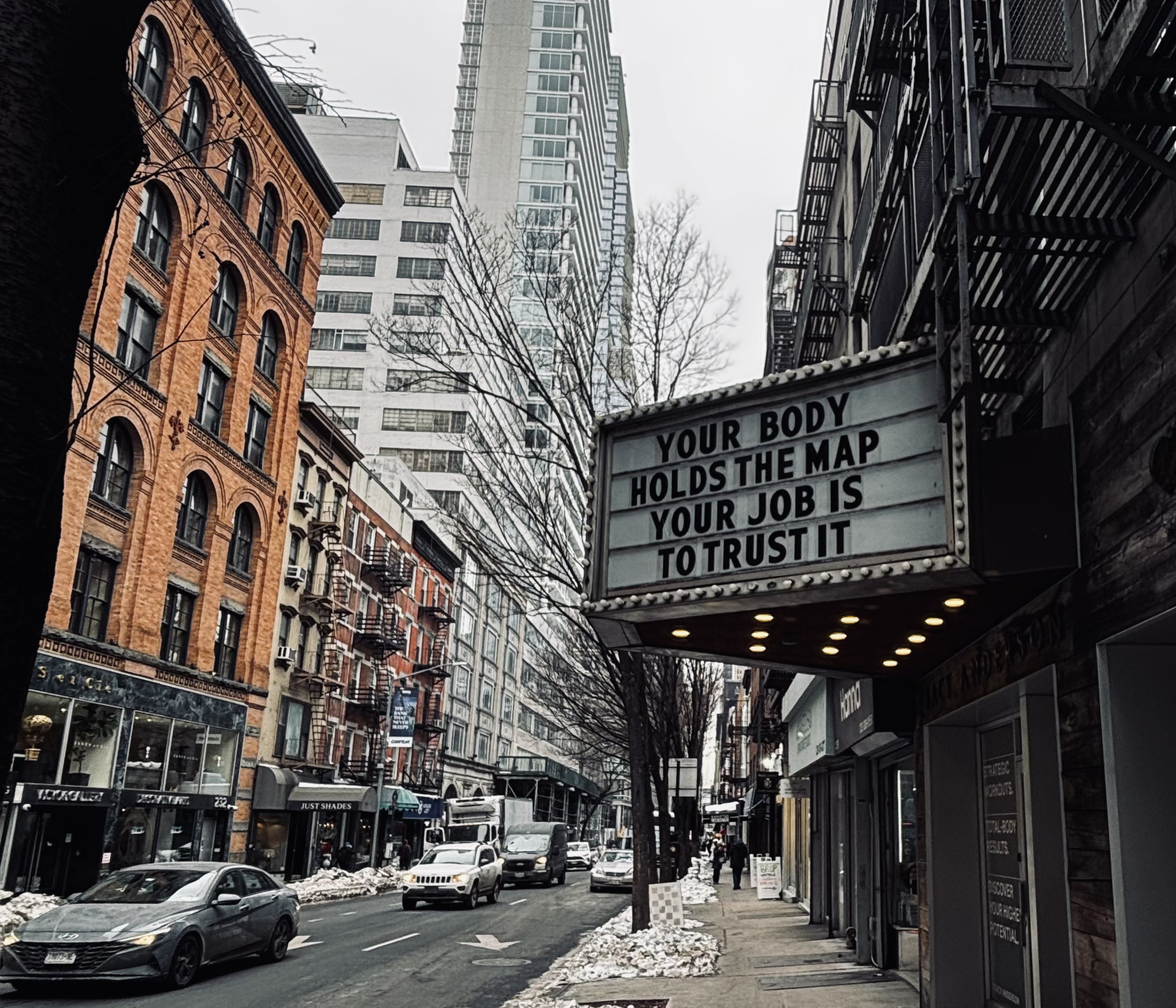
1. Plan for fluctuating energy levels, not just activities
This is perhaps one of the most important strategies I used. Instead of planning my days around “seeing everything”, I planned around my nervous system. A high stimulation activity or environment was not scheduled first thing in the morning. I am not a morning person, and my window of tolerance for noise, crowds and people pushing and shoving is far less acceptable to me before 11am than later in the day. Mornings were typically spent in quieter spaces like wandering around Central Park or walking the High Line (it helped that I visited early February when these places are typically quieter than during the summer months). Starting my day at a quieter, slower pace created the capacity I needed to navigate more stimulating environments later on.
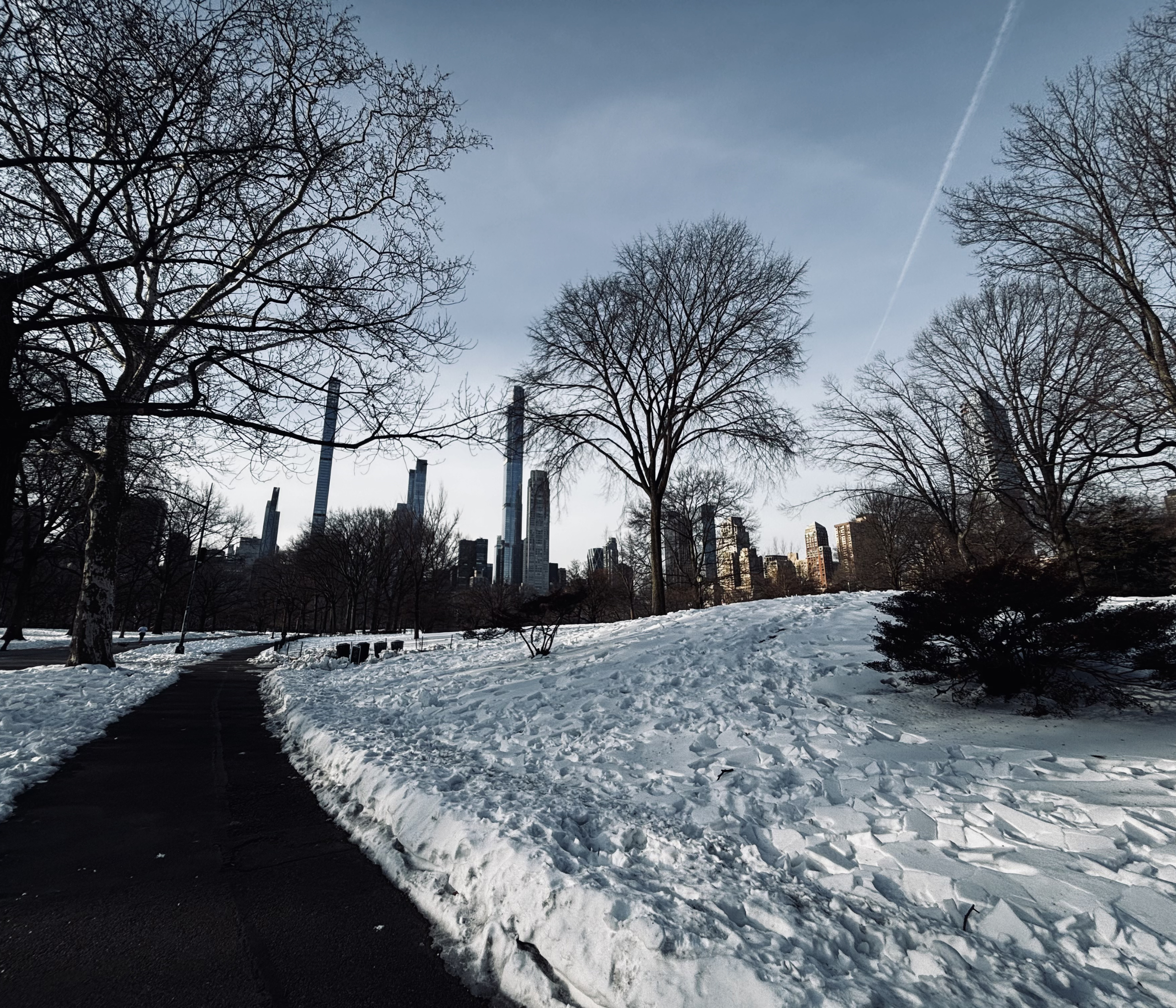
2. Build in time to decompress
No matter how much I was enjoying myself, I needed to build in regular time to decompress. As New York is a big place and I was generally far away from the hotel, returning to the room usually wasn’t an option. So I typically found a cafe with a table either at the side of the room or in the corner. I particularly liked the Book Club Bar in East Village, which gave a cosy and relaxed atmosphere - much like sitting in a library. I also made use of New York’s many park spaces to find a quiet place to feed the birds. Without this deliberate recovery time factored into the day, I found that the stimulation and stress accumulated, sometimes without conscious realisation. Decompression time gave me chance to monitor my energy levels and adjust my next steps accordingly.
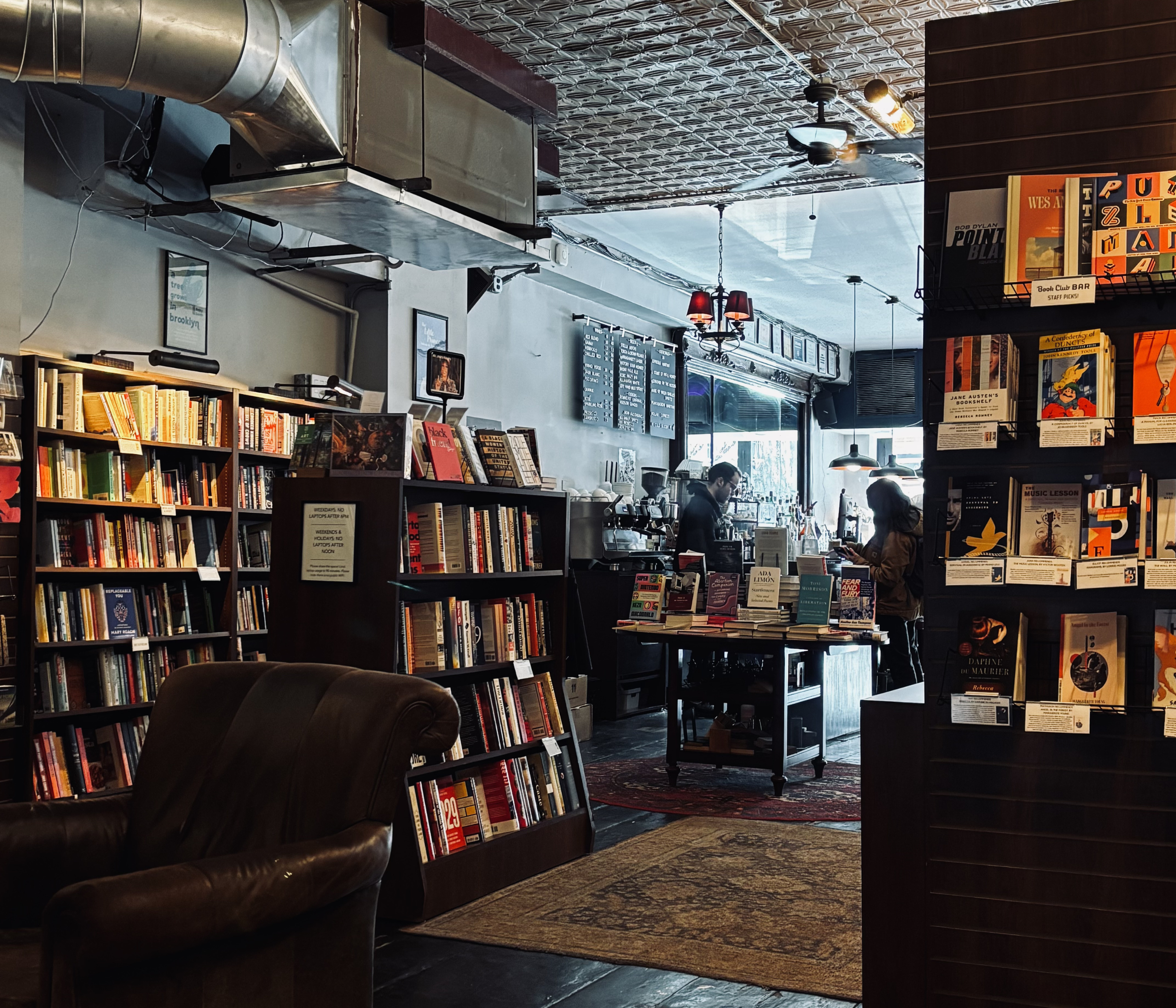
3. Timing is everything
I visited New York in a “quieter” time of year. Of course, cities are always going to be busy and there may be unexpected events, holidays, festivals happening that as a visitor you may not realise (my trip happened to coincide with New York Fashion Week). However, trying to plan your itinerary around when particular areas may be less busy or booked is going to be helpful. For example, I made the mistake only once of taking the subway during rush hour - I then tried my best to time my use of public transport during quieter times of day. I also found that by visiting places like museums a couple of hours before closing time, I could enjoy these places when many people had already been and gone.
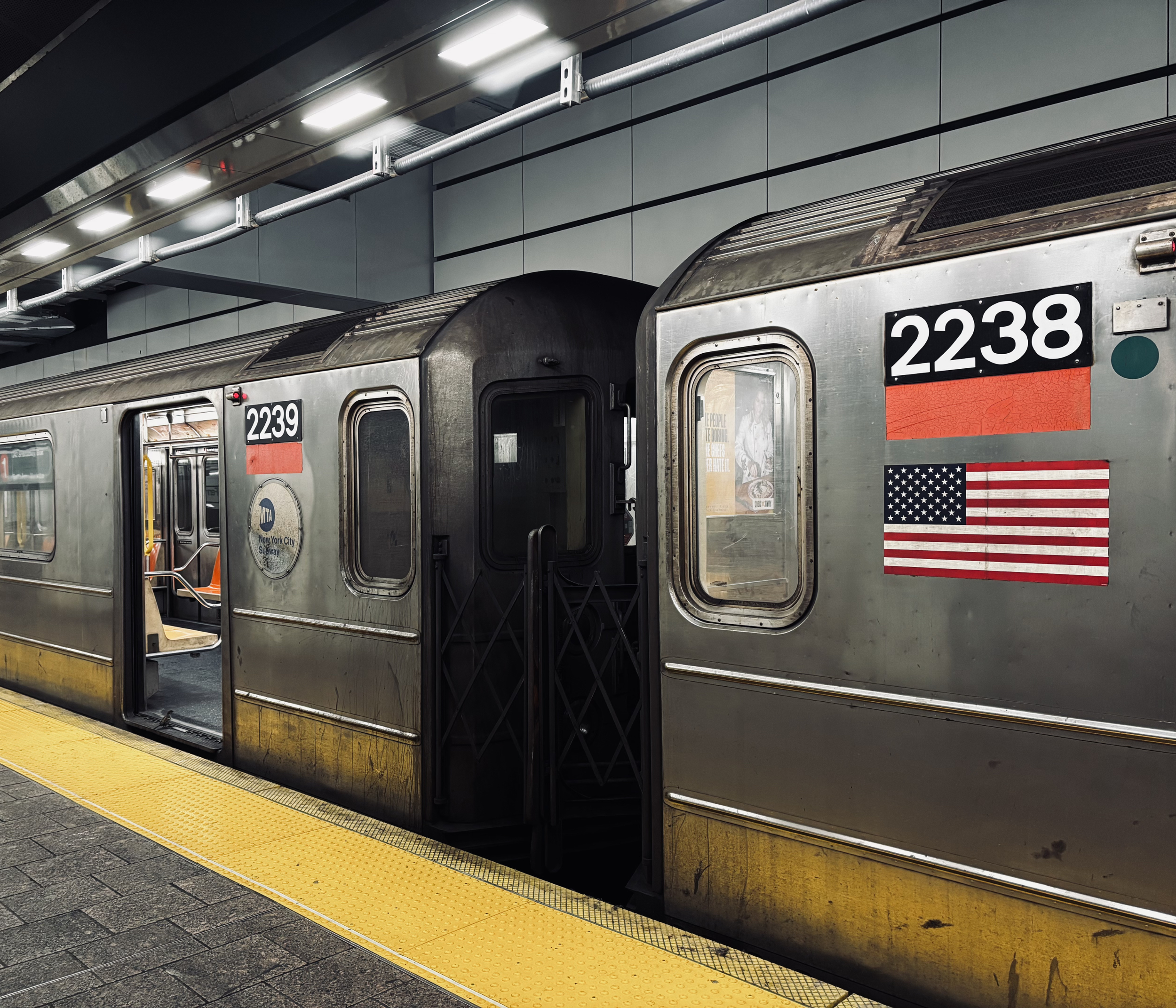
4. Bodily comfort
One simple strategy that made a noticeable difference during my trip was paying attention to my body’s comfort. I wore loose, comfortable clothing that allowed me to move freely, made sure I got enough rest by not setting my alarm too early, and ate a satisfying breakfast to support my energy. I carried my Loops with me in case the environment became too noisy, and I planned my itinerary so I always knew where I could access a bathroom if needed. For highly sensitive people, even small adjustments like these which combine bodily comfort with a sense of predictability, can significantly increase capacity and tolerance for external stimulation.
5. Noticing Reactivity with Compassion
There were, of course, moments when my nervous system tipped into overdrive; certain spaces felt tight and enclosing, sirens cut sharply without warning, and the unpredictability of a lot of people around me at times, heightened my sense of alertness. However, instead of criticising myself for “being too sensitive,” pushing through, or judging my need for space, I chose to respond with compassion. I treated those moments as information rather than failure. My nervous system was communicating that I had reached a threshold.
Recognising this allowed me to hold two experiences at once. I could still be enjoying the city and also need a pause. I could feel inspired and energised, while at the same time noticing fatigue and a desire for quiet. Sensitivity does not eliminate enjoyment. It simply asks for awareness and adjustment.
For Other Highly Sensitive Travellers…
If you’re planning a trip to a high-stimulus place, consider:
Prioritising fewer activities
Scheduling daily recovery time
Making the adjustments that you would usually use at home
Monitoring energy rather than productivity
And before you travel, don’t just ask yourself:
“What do I want to see?”
Instead ask:
“What will my nervous system need in order to experience this place sustainably?”
You can experience big, vibrant cities. You can travel expansively.
You just need an approach that works with your system, not against it.