
Why School Can Be Overwhelming for Highly Sensitive Teens
When I was sixteen, after my last day of high school with the shirt-signing and pretence that we’d all keep in touch, I was determined that there would be absolutely no circumstance that would see me in a school again. School is an undoubtedly challenging place for a highly sensitive person, although at the time I assumed my perpetual discomfort was due to social timidity, or perhaps being overly self-conscious. As I didn’t yet have the language or understanding of high sensitivity, the experience was framed, both by myself and by others, as a problem of confidence rather than one of intense processing and resulting overstimulation.
A number of years later as an occupational therapist, I have frequently found myself shepherded by a well-meaning pastoral officer down corridors heaving with students, straining to hear the information they are relaying to me against the cacophony of background noise. Bodies move quickly and unpredictably whilst I try to refrain from rubbing my arms each time I am brushed with a backpack or flailing jacket. The smells from the canteen continue to make my stomach churn. The familiarity of the experience hasn't changed with time; the echo of the past remains, albeit though revised understanding.
When you are highly sensitive in school, there are a number of aspects of the physical and social environment that can be overwhelming, stressful or simply downright draining. I have summarised the three that stand out from my own experience and from those of the young people I work with.
Sensory Environment
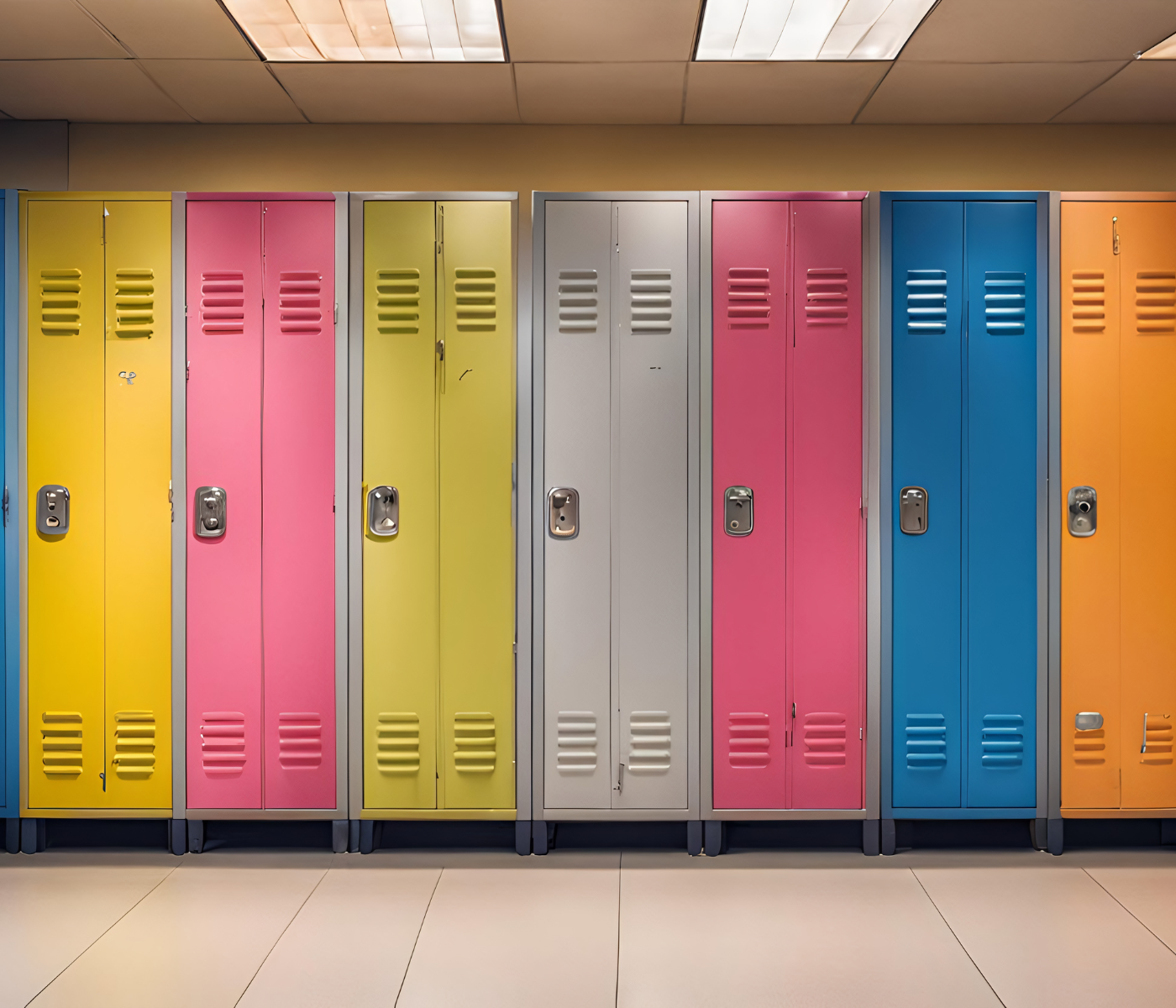
“Yes, I absolutely hate this”. The card depicting a crowded school corridor is often pushed across the table by my clients with a similar declaration. Whereas some young people can navigate themselves through the masses whilst eating a bag of crisps and shouting a conversation at their friends, this intense sensory environment is highly arousing for people with sensitive nervous systems. Unpredictable movement, the close physical proximity to others, the time pressure to reach the next class. If this wasn’t enough, there is also the social pressure that whilst incredibly overstimulated, you will maintain composure and appear unfazed by the commotion, not least you want to draw attention to yourself amongst your peers for being “different”.
Heightened awareness of environmental stimuli is not only stressful but tiring. Noticing every little thing within an environment demands much focus and attention. I am fortunate enough that now as an adult, I have the autonomy to plan my schedule in line with my fluctuating capacity. Young people within school settings do not typically have this luxury. Sometimes staff have tried to tell me that the transitional periods between lessons constitute a “sensory break” or “rest break” for their students. But for the highly sensitive, this is anything but what their nervous system needs to reach optimal arousal states. More often than not, these times can be the most overwhelming parts of the school day.
Of course, it is not only the school corridors that can be highly stimulating. The classroom, the canteen, social spaces at break times, the assembly hall… each carry their own multi-layered sensory demands, which are particularly intense for people with highly sensitive profiles.
Social and Emotional Attunement
It’s impossible not to talk about high school without discussing the impact and complexity of peer acceptance, social hierarchies, and group dynamics which are constantly in play at this age. Whereas other students may move through the school day without consciously registering every nuance, highly sensitive teens process these social cues deeply, and each subtle signal can trigger a cascade of thoughts, worries, or physiological reactions. Small shifts in a teacher’s mood, the change in a friend’s tone, or the unspoken tension that ripples through a classroom when something has gone wrong. The entire room’s energy can feel focused and personal, even when it is not.
I spoke to a young person who expressed how acutely aware she was of other people’s emotions. Another person’s anger, upset or frustration would cause her nervous system to react and manifest within her body as intense physical reactions; heart-racing, palms-sweating, breathlessness and difficulty talking. Heightened emotional processing, although has its (very important and valuable) strengths, can make social environments where there are constantly changing emotional and social dynamics, very overwhelming. A teacher’s mild impatience might provoke intense self-questioning: Did I do something wrong? Am I in trouble? A friend’s withdrawn behaviour might feel like a personal rejection. Over time, the accumulation of these small social stresses can leave people feeling drained, anxious, or hyper-aware of other’s emotions in ways that non-sensitive people can struggle to understand.
Heightened Self-Awareness
Some research suggests that highly sensitive people show increased activity in the insula of the brain*. This area is involved in interoceptive awareness - the conscious awareness of internal bodily states. While this heightened self-awareness can be advantageous in certain situations, it can make it much harder to recover from the intense physiological and emotional effects of overwhelm or intense discomfort.
This means that for people who are highly sensitive, challenging experiences within the school day can be harder to move on from. For example, whereas non-sensitive students may laugh off a moment of embarrassment and forget about it in a matter of minutes, sensitive people tend to continue to feel the effects for much longer. When your stomach is still churning hours after getting a maths equation wrong, it’s easy to see how draining the school day can quickly become.
Because of this deeper processing, the physiological manifestations of heightened arousal can leave highly sensitive teens feeling physically and emotionally activated for much longer. The body remains on high alert, so focusing on anything - let alone another complex task - becomes far more difficult. And of course, the school day rarely offers just one challenge. A sudden change of routine, an unexpected test, a supply teacher, or the constant sensory demands of a busy classroom can quickly accumulate, overwhelming a nervous system that is still trying to recover.

Do you recognise any of these experiences in yourself or your child? Feel free to reach out if you’d like to share your thoughts!
*Acevedo BP, Aron EN, Aron A, Sangster MD, Collins N, Brown LL. The highly sensitive brain: an fMRI study of sensory processing sensitivity and response to others' emotions. Brain Behav. 2014 Jul;4(4):580-94